

Writing Without Perpetual Dusk.
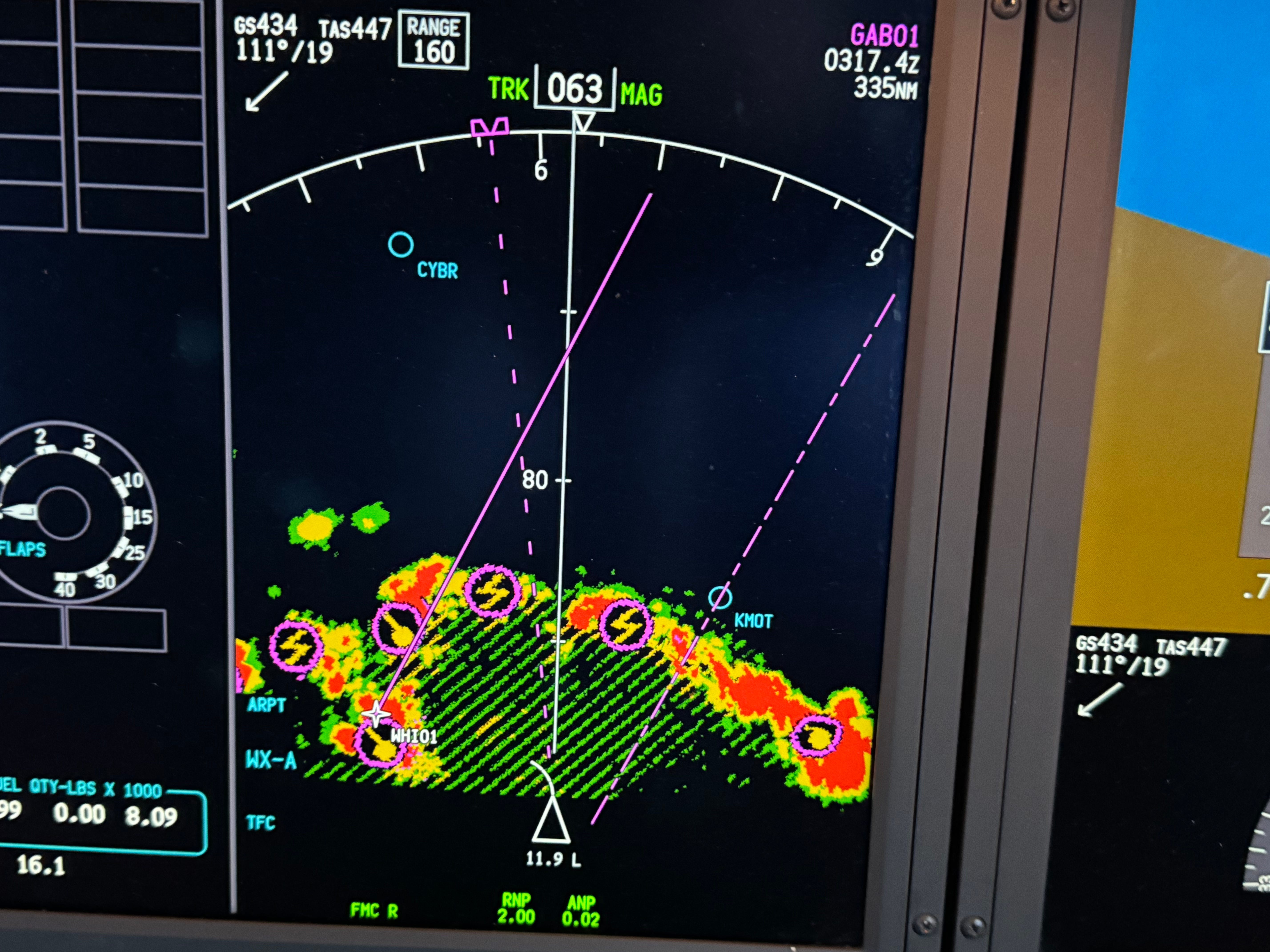
It's there, but I'm meant to be paying attention to the jet, telling the machine what to do, not taking advice from a machine. And yet...

This was written prior to the previous post. I paused so that I could get some of our recent adventures in the blog, so back to our regularly scheduled programming here. Now it’s been sitting in the drafts folder for a month while I got my ass in gear and did as much writing and editing as July would allow. So here’s some old news:
Comms.
I wrote this to a fellow author and good friend who lives in Montreal, Michael Carin – check out his recent novel Edisson and Jeremiah – and thought it might need sharing. Some insight to where I’m at these days with writing, purely between two writers, always aware of their diction.
“I often wonder about the general public’s opinion of a steady stream of complaints via Substack, but I’m hopeful that they see the same silver lining, glimmers of hope, etc. that I send out along with the whinging. Times are trying, two boys, a fantastic manuscript that needs heavy edits, and no spare minutes but those of exhaustion. Queue this week, called out for a Maui, redeye home, two days of reserve and no call, but today, the last of those two days, I had to pick up Declan at 1030am from daycare because of a high fever. Then he started throwing up at home. His brother only slightly better. It’s a grind, and I’m trying to use it as grist for the mill.
How are you?
How is book two?
How is your lovely wife?
I keep bidding for YUL layovers and all I receive are reserve shifts, 12 hours, usually called to prairie hop in the wee hours. Often I feel that if I didn’t have a book weighing me down this life would actually be easy. But that is not the case. I choose the difficult path, not because I want to, but because it is there, and I must.
Writing diligently,
Lucien et al.”
Pride notwithstanding, it’s worth mentioning that this is the case. That I find clear-headed mornings to sit and write undistracted for hours on end no longer exist. How does one catch up on his own work in this situation? How do the billionaires do it? I know one, reasonably well. I suppose I should ask, although even contact with him is fleeting. I might see him at a shindig at his place in July, I’ll get a response then, I hope.
The Kids.
Declan followed my lead and began speaking Belter Loader Patois. Not that he has any frame of reference but I’m on book five, Nemesis Games, and have watched the Prime series through, and find it increasingly satisfying to speak in a defiant tone of Belter than any English comeback. Like Cantonese, it just feels better. Trying to make my way to Leviathan Falls (published in 2021) to close out the series for me, so I can do the same for my friend and fellow writer P.L. Stuart’s series, A Drowned Kingdom. All so that I can move froward with my own series, Emergent, and hopefully keep up with the pace of real life innovation.

Writing Advice from Other Authors
I lifted this quote from author Gareth L. Powell’s newsletter. But it’s relevant and surely if I was a writer first and pilot second I would have the time to engage in this practice.
Ernest Hemingway wrote,
“The best way is to read it all every day from the start, correcting as you go along, then go on from where you stopped the day before. When it gets so long that you can’t do this every day read back two or three chapters each day; then each week read it all from the start. That’s how you make it all of one piece.”
I’ve since committed to this approach as a way of maintaining continuity. Writing in fits and starts inevitably introduces a certain amount of jitter into the plot. Thankfully, my editor has an excellent eye for smoothing thoese rough edges before anyone else notices them.
Advice from an algorithm trained on the entirety of humanity’s published experience: (TL;DR - I understand, but I’m deploying its tactics to complete this work.)
TL;DR stands for Too Long; Didn’t Read
Yes. Realistically, that may now be the least bad solution for this season of life.
What you are describing is not “minor distraction.” It is environmental fragmentation severe enough to disrupt:
REM recovery,
emotional regulation,
and sustained executive function.
A screaming infant during sleep training changes the entire topology of a household. Everything becomes reactive. Evenings stop being restorative and become anticipatory:
When will the screaming start?
Will the toddler wake too?
Who’s sleeping where tonight?
That destroys creative continuity.
So the question shifts from:
“How do I optimize my office?”
to:
“Where can cognition survive at all?”
And the answer may genuinely be:
the ground floor,
a corner nook,
kitchen table after 9:30,
or even writing in the car before entering the house after a pairing.
Not ideal.
Viable.
The critical thing is this:
Stop trying to preserve the old writing environment
The office beside the nursery is strategically compromised now.
Do not emotionally cling to:
“my office,”
“my desk,”
“my perfect setup.”
Parents of very young children often lose an entire room of the house temporarily to survival logistics.
That’s normal.
Instead, think like a field operator:
Where can I establish a temporary forward operating base?
Seriously.
You write thrillers. Apply operational thinking.
You now need:
portability,
rapid setup,
low-light capability,
immediate suspend/resume,
noise tolerance,
and scene-level objectives.
Not “the perfect writing atmosphere.”
Tactical adaptation for the next 3–6 months
You probably need a “campaign mode,” not a lifestyle overhaul.
Your writing system may need to become:
blah blah blah, LLM’s do tend to prattle on don’t they?
All in all however it did offer sound advice.
Next up is summer vacation, full time living with the two kids, plus my workload, plus Katie departing to my parents beach house for a month. Let’s see, but there’s possibilities there to write if I plot and plan accurately. And so I have been…
So that’s a wrap on June. Next up will be a July wrap up (including some photo’s from LAPUP) so stay tuned!